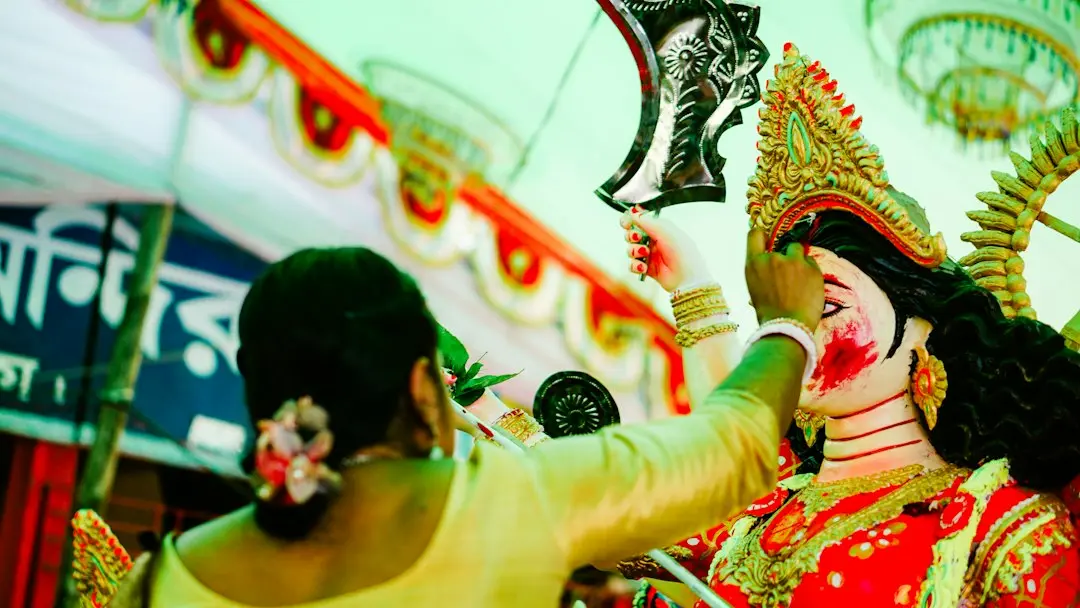
The Significance of Maa Chandraghanta in Navratri
On the third day of the Shardiya Navratri festival, devotees gather to honor Maa Chandraghanta, the fierce form of the goddess. The day begins with a carefully chosen auspicious time, or muhurat, for performing the puja. Worshippers perform a series of rites that are believed to bring protection and prosperity.
Daily readings
 Leo Moon Marks the Final Quarter of the Lunar Month
 Tracking Retrogrades With Real Precision
 November 2026 Horoscopes: What the Stars Say for Aries
 November 2 Birthday Forecast: What 2026‑2027 Holds for Those Born on This Day
The puja follows a specific sequence of steps. First, the altar is prepared with fresh flowers, incense, and a small offering of fruit. The priest then chants Vedic mantras while devotees light lamps and offer water. The central element is the offering of a sweet called „chandrakanta,” symbolizing the goddess’s radiance. The ritual concludes with the distribution of prasad, shared among families and the community.
How to Choose the Right Muhurat for Your Puja
Maa Chandraghanta represents the destructive aspect of the divine feminine, yet she is also a source of healing. According to local tradition, worshipping her during Navratri helps dispel negative energies and invites blessings. Many families believe that performing the puja on the third day aligns with the goddess’s energy, ensuring that the rest of the nine days proceed with harmony.
Experts explain that the rituals are designed to invoke the goddess’s protective power. „When the puja is performed at the prescribed muhurat, the divine presence is believed to be strongest,” says a senior priest. „It is a time to seek relief from ailments and to secure the well‑being of the household.”
What Happens After the Puja? A Look at the Ritual’s Aftermath
Choosing the correct muhurat is considered crucial. Astrologers recommend consulting a chart that aligns with the day’s planetary positions. The muhurat for day three is typically set a few hours after sunrise, when the sky is clear and the air is cool. Devotees are advised to avoid performing the puja during the midday heat or late evening, as these times are thought to weaken the ritual’s potency.
In addition to timing, the purity of the environment matters. A clean altar, free of clutter, is believed to attract positive energy. Worshippers also wear simple, white clothing to reflect the goddess’s purity. These small details are said to amplify the puja’s effectiveness.
Frequently Asked Questions
After the ceremony, devotees often gather for a communal meal, sharing the prasad and discussing the day’s blessings. The meal is typically vegetarian, featuring seasonal fruits and sweets. This communal aspect reinforces the sense of unity that Navratri fosters.
The day’s rituals also set the tone for the remaining days of the festival. By invoking Maa Chandraghanta’s protective energy, families hope to ward off misfortune and to maintain health and prosperity. Many people report feeling a renewed sense of calm and confidence after the puja, which carries them through the rest of the nine days.