The Symbolism of the Turning Wheel
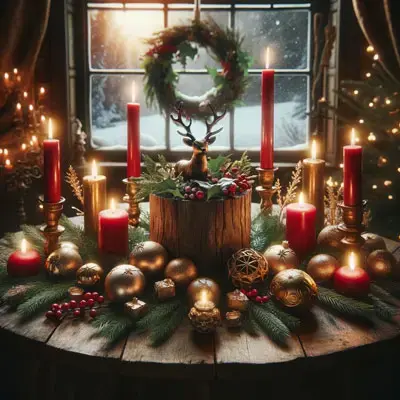
Yule is an important winter festival celebrated within Pagan traditions. It specifically aligns with the Winter Solstice, the year’s longest night. This holiday marks a turning point in the annual cycle, signifying the rebirth of light and the hope of renewal. It’s considered the first major festival of the Wiccan year.
Daily readings
 The Sharp Reality Behind the Ace of Swords
 The Astrology of September 15, 2026
 Jupiter in the Third House: Amplifying Communication and Intellect
 Sagittarius Daily Horoscope Offers Guidance for September 15, 2026
Yule’s roots run deep in ancient history. Before Christianity, many cultures observed celebrations around the Winter Solstice. These pre-Christian traditions honored the sun’s power and the promise of its return after the darkest days. These celebrations often involved feasting, storytelling, and rituals focused on ensuring a bountiful spring.
The Winter Solstice is a pivotal moment. It represents the darkest point of the year, after which the days gradually grow longer. This transition is powerfully symbolized by the „Wheel of the Year,” a Wiccan representation of the cyclical nature of seasons and life. Yule signifies the turning of this wheel, marking the shift from darkness towards light. It’s a time for reflection on the past year and setting intentions for the future.
Can Yule Traditions Enhance Modern Holidays?
The festival isn’t just about the literal return of sunlight. It’s also a metaphorical representation of inner light and personal growth. Many practitioners use Yule as a time for introspection and spiritual renewal. They believe that just as the sun returns, so too can hope and positivity return to their lives. This period encourages releasing what no longer serves and embracing new beginnings.
While rooted in ancient Pagan beliefs, elements of Yule have influenced many modern holiday traditions. The use of evergreens, like Christmas trees, can be traced back to Yule customs. These trees symbolized enduring life during the winter months. Similarly, the practice of bringing greenery indoors and decorating homes with lights reflects the Yule emphasis on bringing light into the darkness.
Yule celebrations often involve the Yule log, a traditional log burned during the festival. The burning of the log symbolizes the sun’s warmth and the release of negativity. Feasting and sharing food with loved ones are also central to Yule, reinforcing community bonds and celebrating abundance. These practices offer a meaningful way to connect with nature and loved ones during the winter season.
As the days lengthen after Yule, the promise of spring and renewal becomes more tangible. The festival serves as a reminder of the cyclical nature of life, death, and rebirth. By acknowledging the darkness and embracing the return of light, Yule offers a powerful message of hope and resilience. It encourages individuals to find inner strength and celebrate the enduring spirit of life.
Frequently Asked Questions
What is the significance of the Yule log? The Yule log is a traditional element of the festival. It represents the sun's warmth and is burned to symbolize the release of negativity. Burning the log also signifies welcoming the returning light.
Is Yule exclusively a religious holiday? While central to Wiccan and Pagan beliefs, Yule's themes of light, renewal, and community resonate with many people. It can be observed as a secular celebration of the Winter Solstice and the changing seasons.
How does Yule relate to other winter festivals? Many winter festivals share common roots in ancient solstice celebrations. Yule’s traditions have influenced practices found in other cultures, including aspects of Christmas and other winter holidays.