Planning Nighttime Photography Around September’s Moon
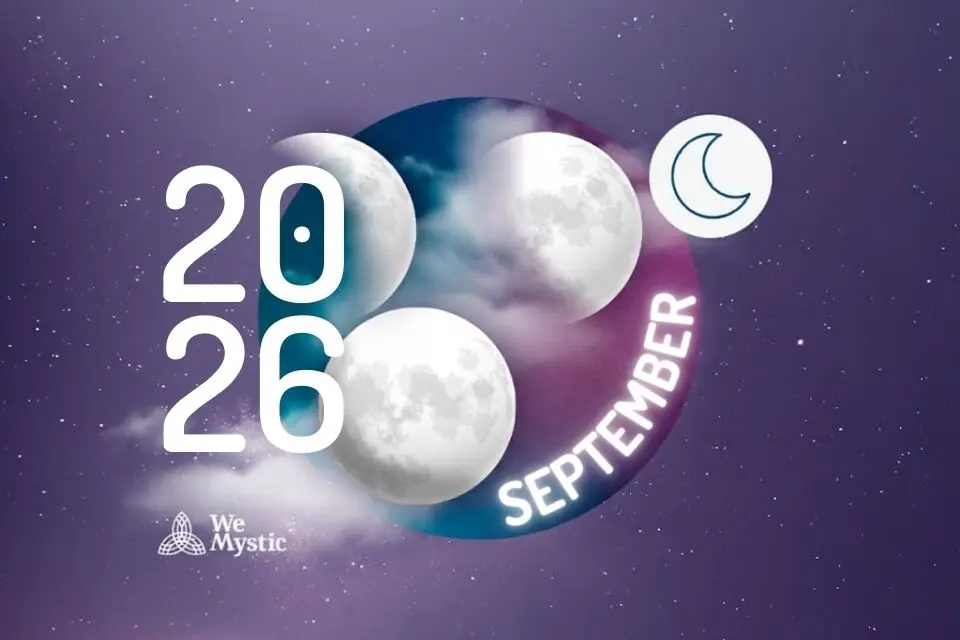
The September 2026 lunar calendar shows a full sequence of phases for the Pacific Time Zone (GMT‑7). The month begins with a waning gibbous on the 1st, moves through a last quarter on the 4th, and reaches a new moon on the 10th. A first quarter follows on the 18th, leading to a full moon on the 26th. Each phase is listed day by day, helping observers plan activities tied to the moon’s cycle.
Daily readings
 The Sharp Reality Behind the Ace of Swords
 The Astrology of September 15, 2026
 Jupiter in the Third House: Amplifying Communication and Intellect
 Sagittarius Daily Horoscope Offers Guidance for September 15, 2026
Astronomers and hobbyists rely on such calendars to schedule observations, photography sessions, and cultural events. The September timeline reflects the moon’s steady 29.5‑day orbit, shifting roughly one day earlier each month. The waning gibbous phase dominates the first week, signaling decreasing illumination after August’s full moon. The last quarter on September 4th marks the midpoint between the waning gibbous and the new moon, which arrives on the 10th, offering the darkest skies of the month. After a brief crescent phase, the first quarter on the 18th signals the moon’s return to increasing brightness, culminating in a full moon on the 26th that will illuminate the night for several days.
Photographers often target the days surrounding the new moon for deep‑sky shots, as the lack of moonlight reduces background glare. In September 2026, the optimal window falls between September 10 and 14, when the moon is a thin crescent or absent altogether. Conversely, the period from September 24 to 28 offers spectacular opportunities for lunar surface photography, with the full moon providing bright, detailed illumination. Local astronomy clubs are expected to host public viewing events on the 4th (last quarter) and the 26th (full moon), inviting the community to observe the changing lunar landscape.
Will September’s Lunar Phases Influence Tides and Outdoor Activities?
The moon’s gravitational pull directly affects ocean tides, and September’s phases will produce noticeable variations along the Pacific coast. The new moon on the 10th and the full moon on the 26th generate spring tides, leading to higher high tides and lower low tides. Fishermen and surfers often plan trips around these extremes, anticipating richer fish activity during the stronger currents of the new moon and larger waves near the full moon. Coastal residents should also prepare for potential coastal flooding during the peak of spring tides, especially in low‑lying areas.
As September progresses, the lunar cycle will continue to shape both scientific observation and everyday life. The clear schedule allows planners to align festivals, agricultural practices, and recreational events with the moon’s rhythm. Looking ahead, the next month’s calendar will shift the phases forward by roughly one day, maintaining the predictable pattern that has guided humanity for centuries.
Frequently Asked Questions
When is the best time to view a dark sky for stargazing in September 2026? The darkest skies occur around the new moon on September 10, extending through September 12. Minimal moonlight during these nights makes it ideal for observing faint celestial objects.
How do the September moon phases affect tidal patterns on the West Coast? Spring tides, which happen during the new moon (Sept 10) and full moon (Sept 26), produce the highest and lowest tides of the month, influencing marine navigation and coastal activities.
Can I use this calendar for other time zones? The dates remain the same worldwide, but the exact local time of each phase will differ. Adjust the listed times by your region’s offset from GMT‑7 to match your local schedule.