From Timber to Composite: Why the Inside‑Out Method Matters
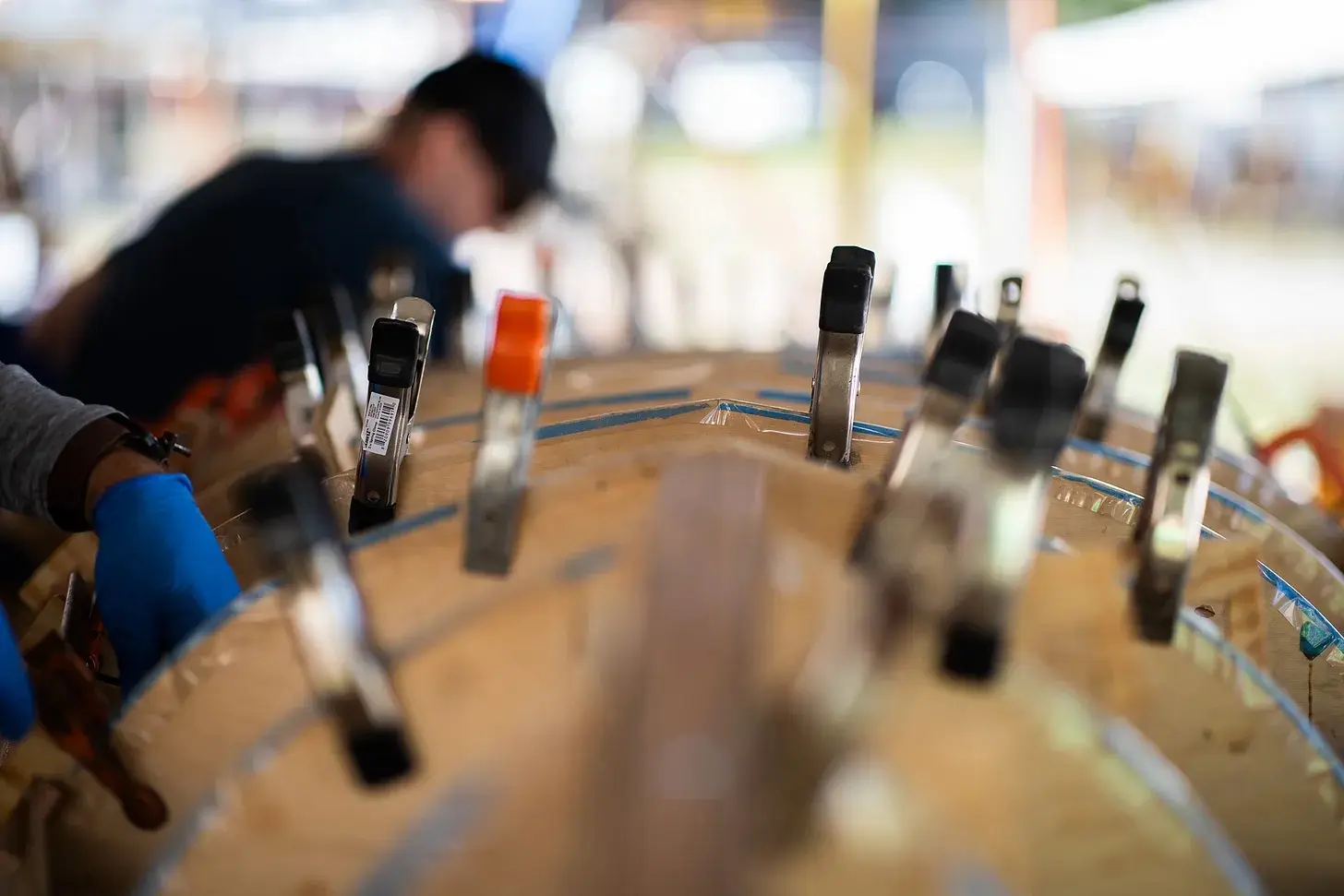
In mid‑October, the Maker Camp 2026 in East Durham, New York, hosted a hands‑on workshop where participants built a boat from the inside out. The event, held on a spacious waterfront site, attracted hobbyists, students, and seasoned craftsmen eager to blend traditional woodworking with modern composite techniques. Participants worked in small teams, guided by experienced mentors who demonstrated how to layer fiberglass over a wooden frame for durability and speed.
Daily readings
 Leo Moon Marks the Final Quarter of the Lunar Month
 Tracking Retrogrades With Real Precision
 November 2026 Horoscopes: What the Stars Say for Aries
 November 2 Birthday Forecast: What 2026‑2027 Holds for Those Born on This Day
The workshop’s centerpiece was a 12‑foot launch designed for both racing and leisure. Instructors began by carving the keel and ribs from seasoned oak, then applied a layer of fiberglass cloth soaked in epoxy resin. This process required precise timing to avoid bubbles and ensure a smooth finish. The inside‑out approach meant that the structural core was assembled first, allowing the fiberglass to be laid around the already‑formed skeleton. This method reduces warping and gives the hull a tighter seal against water intrusion.
Traditionally, boat builders lay fiberglass over a pre‑assembled frame, but the inside‑out technique offers several advantages. By constructing the wooden skeleton first, builders can test the fit and balance before adding weight. „The core stays true to its shape,” explained mentor Laura Kim, who has overseen more than 200 projects. „When you add fiberglass later, you’re not forcing the wood to bend; you’re simply covering it.” The result is a lighter vessel that retains the warmth and workability of wood while benefiting from the strength and resistance of fiberglass.
Can This Hybrid Technique Replace Traditional Boat Building?
Participants also learned about the environmental impact of material choices. Oak was sourced from sustainably managed forests, and the epoxy resin used was a low‑VOC formulation approved for indoor use. „We’re teaching the next generation that craftsmanship can coexist with eco‑responsibility,” said camp director James O’Connor. The workshop concluded with a launch ceremony where each boat was tested on the lake, showcasing smooth turns and impressive speed for its size.
The hybrid method raises questions about its future role in the boating industry. While the inside‑out approach offers clear benefits in weight reduction and ease of construction, some purists argue that it compromises the aesthetic and tactile qualities of solid wood boats. „There’s something about the grain you can’t replicate with composites,” noted veteran shipwright Miguel Torres. However, the growing demand for affordable, low‑maintenance vessels suggests that this technique could become mainstream, especially for recreational craft and small racing boats.
The workshop also highlighted the importance of skill transfer. Attendees left with a deeper understanding of both woodworking and composite lay‑up, skills that are increasingly valuable in marine repair shops and custom boatyards. „We’re not just building boats; we’re building a community of makers who can adapt to new technologies,” O’Connor added.
The Maker Camp 2026’s success points to a broader trend of blending traditional craftsmanship with modern materials. As the boating industry seeks lighter, more sustainable solutions, the inside‑out method may well become a staple in both amateur and professional settings.
Frequently Asked Questions
What materials were used in the boat construction? The hull was built from seasoned oak for the frame and ribs, then covered with fiberglass cloth saturated in a low‑VOC epoxy resin.
How long did the construction process take? Each team completed the full build in four days, including design, wood carving, fiberglass application, and final testing on the lake.
Will this technique be taught in future Maker Camps? Yes, the camp organizers plan to expand the curriculum to include advanced composite techniques and marine electronics integration.