Autumn Naming Traditions and Lunar Cycles
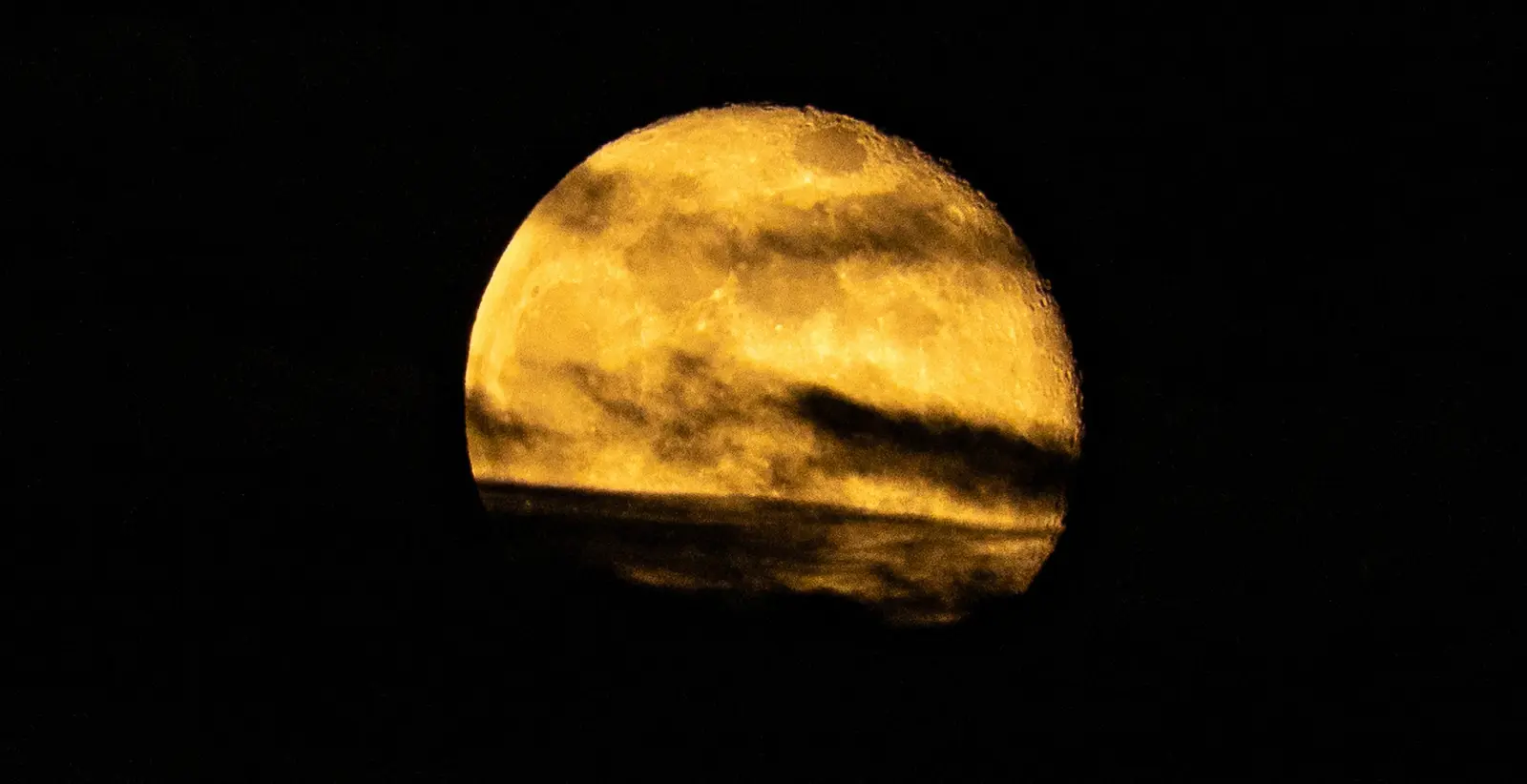
The Hunter’s Moon, the designated full moon of October, reaches its maximum illumination during the early morning hours of Monday, October 26. This celestial event occurs at 12:12 a.m. Eastern Daylight Time. While the moon appears nearly full for several days surrounding this peak, the specific moment of fullness is brief. Observers across North America can expect a bright lunar display in the night sky. The timing aligns with typical autumn astronomical schedules. This particular full moon serves as a key marker for the changing seasons. It offers a prominent visual feature for stargazers and casual observers alike. The event is predictable and visible to the naked eye without specialized equipment. Weather conditions remain the primary factor affecting visibility for most viewers. Clear skies are essential for an unobstructed view of the moon.
Daily readings
 Leo Moon Marks the Final Quarter of the Lunar Month
 Tracking Retrogrades With Real Precision
 November 2026 Horoscopes: What the Stars Say for Aries
 November 2 Birthday Forecast: What 2026‑2027 Holds for Those Born on This Day
The name Hunter’s Moonoriginates from historical agricultural and hunting practices. Indigenous peoples and early European settlers used this specific full moon to guide their activities. It signaled the optimal period for hunting game as animals grew fatter for winter. The increased daylight hours following the equinox allowed hunters to work longer into the evening. This tradition highlights the deep connection between lunar cycles and human history. Unlike modern calendars, ancient societies relied heavily on moon phases for timing. The Hunter’s Moon fits into a broader pattern of named moons for each month. These names reflect seasonal changes and cultural significance. For instance, other months have names like the Harvest Moon or the Wolf Moon. Each name carries specific folklore and practical implications for daily life. Understanding these traditions adds depth to simple astronomical observation. It connects modern viewers to centuries of human experience under the same sky.
When Is the Best Time to View It?
Although the moon peaks technically at midnight on October 26, the best viewing window is earlier. Sunday evening provides an excellent opportunity to see the moon in high detail. By this time, the moon is already nearly full and brightly lit. It rises in the east shortly after sunset, dominating the twilight sky. The light pollution from cities may interfere with darker stars, but the moon remains clear. Weather permitting, the moon will appear large and white against the darkening horizon. The day after the peak, the moon will still look full to the untrained eye. However, the actual illuminated portion begins to decrease slightly after the peak. Astronomers note that the difference is negligible for casual viewing. The moon stays visually full for roughly four days. This extended period allows flexibility for those who miss the exact peak time.
The Hunter’s Moon continues to captivate interest beyond just astronomy. It plays a role in various cultural celebrations and spiritual practices. Many people mark this time for reflection on the year’s progress. The approaching winter season prompts thoughts of preparation and closure. Social media platforms often see spikes in engagement around full moon events. Users share photos and reflections tied to the lunar cycle. This modern engagement mirrors ancient traditions of communal gathering under the moon. The event serves as a reminder of our place in the cosmos. As the night sky becomes clearer with colder air, visibility improves. This makes late October an ideal time for outdoor stargazing. The Hunter’s Moon stands as a reliable annual anchor point in the calendar. Its consistent appearance offers comfort and continuity to observers worldwide.
Cultural Significance and Modern Interest
What does peakmean for the moon? Peak refers to the exact moment when the moon is fully illuminated by the sun. At this point, the moon is directly opposite the sun in the sky. It appears at its brightest and largest apparent size.
Frequently Asked Questions
Can I see the Hunter’s Moon if it is cloudy? Cloud cover obstructs the view of the moon. You need clear or partially cloudy skies to see it clearly. Checking local weather forecasts helps plan the best viewing time.
Is the Hunter’s Moon different from other full moons? Physically, all full moons are identical in brightness and size. The difference lies in the name and the specific time of year it occurs. Cultural associations make it distinct for many people.